How to Generate Story Ideas from British Newspaper Headlines
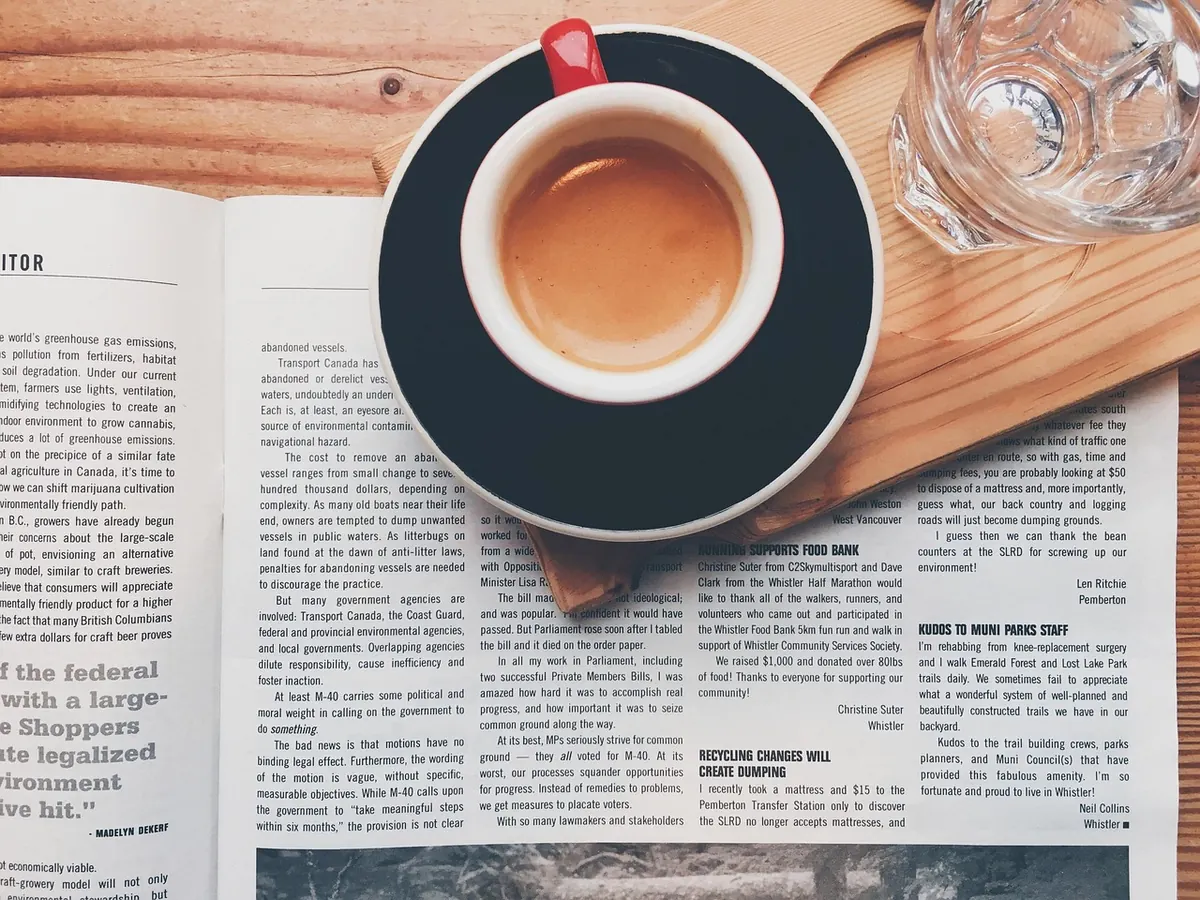
A headline is a story boiled down until only the pressure is left. Someone has already chosen what matters, cut the names, stacked the nouns and set the type. That compression is useful if you write fiction. Not the facts — the shape.
What follows is a method for mining British newspapers for premises without borrowing anyone's life. It takes about ten minutes to learn and works on any title, from a broadsheet to the free paper you pick up at the station.
What a headline actually hands you
Read a headline as a set of fittings rather than a piece of news. Most contain four things:
- A person in a role. Not "Margaret, 61", but the retiring lollipop lady, the returning son, the man who bought the pier.
- A pressure. A deadline, a debt, a vote, a funeral, a letter that has to be answered by Friday.
- A contradiction. The thing that should not be true but is. A village with no bus service winning an award for accessibility.
- A cost. Money, reputation, a marriage, a field.
That is a story engine before you have invented a single character. The headline did the compression. Your job is to reverse it back into people.
The line you don't cross
The method only works if the real event stays behind. Headlines concern identifiable people, live court cases, bereaved families, communities where everyone knows who is meant. Treat those as off limits, and not only for legal reasons. A premise built on somebody's worst week tends to read thin, because you are never free to change it into something better.
So move the material before you use it. Change the county. Change the decade. Change the trade — a haulage firm becomes a taxi rank becomes a family bakery. Change the relationship between the people involved: the council officer in the original becomes your protagonist's brother-in-law, which immediately gives the argument a history.
The test is simple. If someone involved in the original story could read your draft and recognise themselves, you have gone too close. Where a story sits near a real, identifiable person or an active legal matter, take proper legal advice before you publish. Fiction is not a shield; it is a series of choices, and the earliest ones matter most.
The three-column extraction
Take one headline. On a sheet of paper, rule three columns.
- Subject. Who sits at the centre? Reduce them to a role, not a name.
- Action. What did they do, or refuse to do?
- Stakes. What changes if it goes wrong?
Here is a worked example. A regional headline of the sort that appears most weeks: Village fights plans for 200 homes on flood plain.
Subject: a parish council chair who has lived there forty years. Action: leading a campaign she suspects will fail. Stakes: the field where her husband proposed, and the goodwill of the neighbours whose grown children need somewhere to live.
Notice what happened. The headline handed you a situation. The columns handed you a person with a divided loyalty, which is a great deal more useful than a cause.
From those columns, write a single prompt sentence: A [person in a role] must [concrete action] before [deadline], but [obstacle rooted in their own character]. Keep the last clause about character. If your obstacle is only weather or a planning committee, you have a report rather than a story.
Five prompts that turn a headline into a premise
Run at least two of these on every headline you keep. Two is roughly the point at which a news item stops being news.
The displacement. Move it forty miles and sixty years. Same argument, different accents, no living witnesses.
The other witness. Tell it from someone the headline treats as furniture: the auctioneer, the dog warden, the sister who moved to Aberdeen and rings on Sundays.
The bill. Ask who paid for this and what they expected in return. Generosity with a receipt attached is a reliable source of trouble.
The genre tilt. Recast the same material as a ghost story, a comedy of committee manners, a procedural. The tilt often reveals the premise that was hiding underneath.
Ten minutes before. Write the scene immediately preceding the headline event. Or ten years after, when the plaque is up and nobody agrees what it commemorates.
Build the premise in five moves
- Choose three headlines from one paper — ideally one you would not normally buy.
- Extract the shape of each using the three columns.
- Apply two prompts to each shape, and notice which one makes you reach for a notebook.
- Write the premise in no more than forty words, with a want, an obstacle and a cost.
- Read it aloud. If it sounds like a news report, apply one more prompt.
The word limit is deliberate. Long premises hide the missing part, which is usually the obstacle. If you cannot say what stands in the way in a single clause, the story is not ready to be written yet — but it may be ready to be written tomorrow.
Two quick tests
Does your protagonist want something they would be embarrassed to admit? Does the ending cost them something they cannot get back? A premise that answers yes to both will survive the first draft.
Keep a headline file worth returning to
Record the paper, the date and the shape you extracted — not the story. Write down the three columns, the prompt you used and any line of dialogue that arrived while you were thinking. Then throw the clipping away. Notes made from your own extraction pull you towards invention; a saved article pulls you back towards the facts.
Review the file once a month. Premises that seemed thin in March often look workable in September, once you have lived a bit more and read a bit more. Cross out the ones that have gone stale and forget them without guilt.
Ten minutes at the kitchen table
Pick one morning a week. Buy a paper you would not normally read, circle five headlines, extract three shapes, run two prompts, then write forty words on whichever premise you cannot leave alone. Finish by writing the first line of the scene. Stop there.
Do that for a month and you will have a dozen premises on file, which is more than most writers need to fill a year. The point is not to produce a finished story every Saturday. It is to build a shelf you can reach for when a longer project stalls and you need something small, strange and entirely your own.
The paper will be out again tomorrow. Somewhere in it is a parish councillor, a flooded field and a decision that ends a friendship. None of that belongs to you yet. That is the good news.
Photo: Pexels / Pixabay