Start Here: A Beginner's Guide to Keeping a Commonplace Book

Most writers keep some version of a notebook, though few call it by its proper name. A commonplace book is a place to gather the lines, images and overheard remarks you want to keep — not a diary of what happened, but a record of what struck you. It has been around for centuries, long before notebooks were cheap, and it remains one of the most useful habits a writer can build. This guide walks you through what to collect, how to set it up, and the prompts that will keep it from gathering dust after a fortnight.
What a Commonplace Book Actually Is
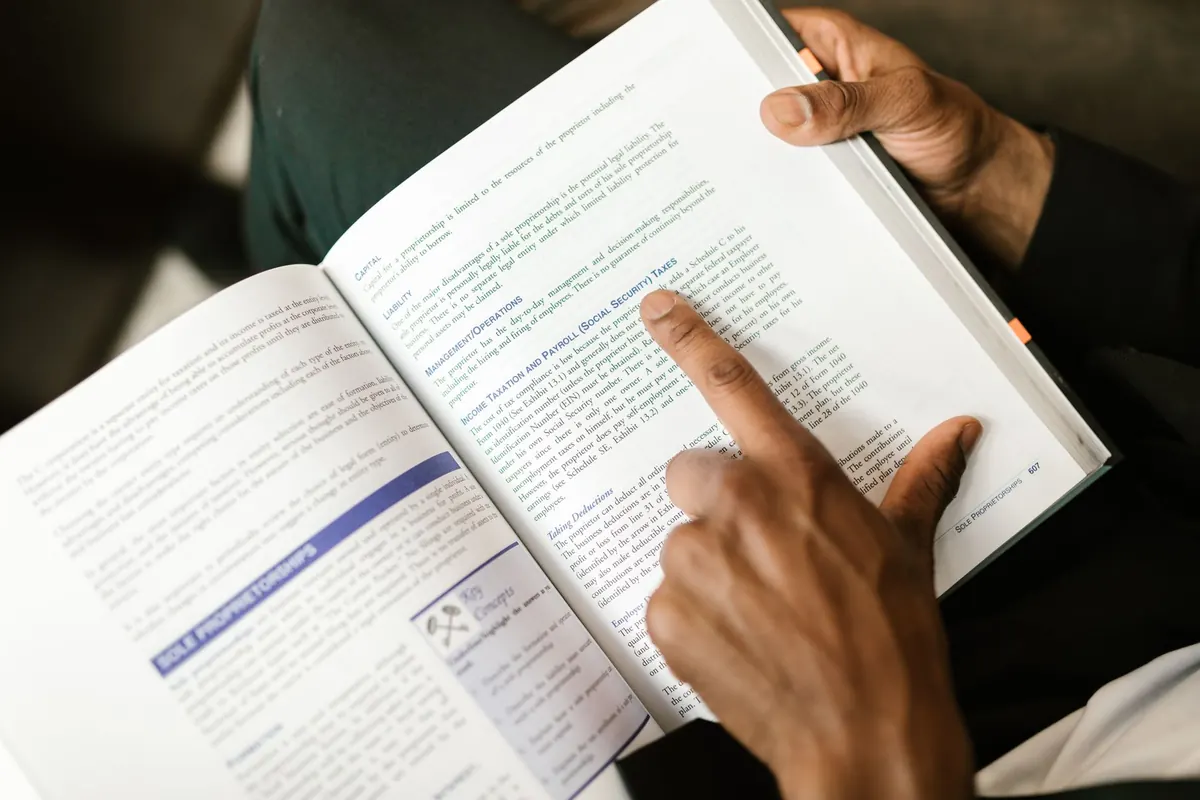
A commonplace book is a personal collection of passages and observations, arranged so you can find them again. That's the whole idea. Students and writers have kept them for centuries, copying out quotations from books they admired and adding their own notes alongside.
The essential difference from a journal is the direction of attention. A diary faces inward and backwards: what happened today, how did I feel. A commonplace book faces outward and forwards: what did I notice, what might I use. You can keep both, but don't let one quietly become the other.
It also isn't a reading log. Recording that you finished a book tells you nothing you can use later. Recording the two sentences that made you put the book down does.
Why Bother Keeping One
The obvious benefit is the store of material. When you're writing and need a comparison that works, a half-remembered line on fog, or a shape for a scene, flipping back through months of notes beats staring at a blank page.
The less obvious benefit arrives while you're copying. Writing something out by hand forces a slower read than skimming does, and you notice how a sentence is built in a way that reading alone rarely delivers. Copy a few paragraphs of prose you admire and you'll start to see the joins.
There's a third effect, slower to show itself. Read back over six months of entries and you'll spot what you keep returning to: a preoccupation with water, say, or with people leaving things unsaid. That's useful information about the writing you actually want to do.
What to Collect
Anything that gives you a small jolt. The categories below cover most of it, but treat them as starting points rather than rules.
- Quotes. Lines from books, poems, essays, films, speeches. Copy them exactly, and note where they came from and the page number if there is one.
- Overheard speech. The bus-stop argument, the phrase a colleague uses when they're annoyed. Real speech has rhythms that invented dialogue rarely matches.
- Observations. Weather, faces, shop windows, the particular way someone holds a cup when they're nervous.
- Story ideas. A premise in one sentence. A character sketched in three lines. Don't develop them here; just get them down while they're warm.
- Questions and arguments. Something that annoyed you in an article, or a point you'd like to make better than the person who made it first.
- Words. Unfamiliar words, dialect, slang, technical terms from fields you know nothing about.
One warning: resist the urge to collect only clever aphorisms. They're seductive and they age badly. The entry that turns out to be useful in two years is more often a concrete detail than a wise sentence.
Setting It Up Without Overthinking It
You don't need a leather-bound volume. A cheap A5 notebook works, and so does a plain text file. The main risk is spending an evening designing a colour-coded system and never making a second entry.
If you want one simple method, try this. Number the pages as you go. Leave the first two or three pages blank for an index. When you finish an entry, give it a heading in the margin and add that heading to the index with its page number. Ten seconds of work, and you can find anything later.
Resist tidying entries into themes as you write. Keep them in the order they arrived, with the date. Chronological order preserves the associations between things you noticed in the same week, and those associations are often more interesting than the categories you'd impose.
Some people prefer an app, and that's fine, though handwriting has advantages for this particular habit. The friction slows you down, and slowing down is part of the point. If you do go digital, keep one file or one vault, and use plain text so you can still read it in ten years.
Prompts to Fill the First Fifty Pages
For quotes
Copy the opening line of a book you love and the opening line of one you don't. Note what the second one gets wrong. Copy a sentence that contains a fact you didn't know. Copy the last line of a chapter you've reread more than twice.
For observations
Sit somewhere public for ten minutes and write down five things you could only have seen today. Describe a room you know well without using any colour words. Write down the exact words of the last complaint you overheard. Describe someone's hands while they talk.
For story ideas
Write a premise in one sentence, then write the sentence that contradicts it. Take a piece of news and change one detail — the age of the person involved, the season, the country. Write down three things a character wants that they'd never admit aloud.
For keeping it alive
Once a week, copy something. Once a month, read back through the last twenty pages and mark anything you'd forgotten. Once a quarter, copy the three entries you'd rescue if the notebook caught fire. Those three are usually the beginnings of something.
A Short Note on Making It Stick
Decide now when the notebook gets opened. A few minutes at the end of the working day, or on the sofa before bed, or waiting for the kettle. Ten entries a month is a healthy pace, and two good ones beat twenty dutiful ones.
Keep it beside whatever you read. The distance between a book and the commonplace entry is the whole obstacle; close that gap and the habit looks after itself. Add one line today — a phrase from something you read this morning — and you've started.
Photo: Engin_Akyurt / Pixabay